Floral Waste Disposal Rules Kentish Town Camden Council Guide
Posted on 19/09/2026
If you run a florist, manage events, or simply end up with a lot of spent stems after a wedding or memorial arrangement, floral waste can pile up faster than you expect. The Floral Waste Disposal Rules Kentish Town Camden Council Guide is here to make that feel less murky and a lot more manageable. In practical terms, it helps you sort out what counts as floral waste, how to handle it responsibly, and where the common tripwires are when you are working in Kentish Town. No drama, no guesswork. Just clear, usable guidance.
And yes, it matters more than people think. Mixed floral waste can include organic material, plastic wraps, ribbons, wired stems, foam, and packaging. Toss it all into one bag and things can get messy fast. Let's face it, nobody wants an overflowing bin on a busy delivery day or a disposal problem after a wedding reception. This guide walks through the sensible way to deal with it, while keeping local expectations in mind.
Quick takeaway: Separate floral waste by material, keep recyclables and organics apart where possible, store waste safely, and follow the disposal arrangements that apply to your premises and collection route.
- Why the rules matter
- How floral waste disposal works in practice
- Benefits of getting it right
- Who this guide is for
- Step-by-step disposal guidance
- Expert tips and smarter habits
- Common mistakes to avoid
- Tools, resources, and recommendations
- Law, compliance, and best practice
- Methods and comparison table
- Real-world example
- Practical checklist
- Conclusion
- Frequently asked questions
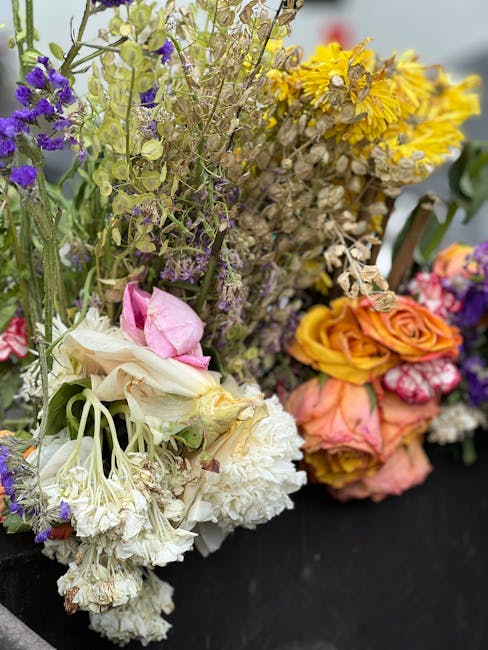
Why Floral Waste Disposal Rules Kentish Town Camden Council Guide Matters
Floral waste is one of those things that looks harmless right up until it starts causing a nuisance. A bucket of drooping roses can smell sweet for a day and then, well, not so sweet. Wet stems add weight. Wrapping adds bulk. Broken oasis foam and tape can contaminate organic waste. In a busy Kentish Town shop, venue, or home studio, that mix can quickly turn into a storage, hygiene, and collection problem.
This guide matters because waste is not just about "getting rid of it." It is about handling it in a way that is safe, tidy, and consistent with local collection practices and wider UK waste principles. For businesses, that also means keeping your operations efficient. For households and event organisers, it means avoiding avoidable mess and not making the bin crew's job harder than it already is.
There is also a practical reputational angle. A florist with neat waste handling looks more organised. A venue with clearly separated waste stations feels calmer. Even a small home-based flower business benefits from tidier routines. It is one of those behind-the-scenes habits that quietly improves everything else. Small thing. Big difference.
How Floral Waste Disposal Rules Kentish Town Camden Council Guide Works
At a simple level, floral waste disposal works by separating different kinds of waste before collection or drop-off. That sounds obvious, but in real life people often bundle everything together because it is quicker in the moment. Then the bin overfills, recycling gets contaminated, and the whole load becomes harder to manage. Not ideal.
In practical terms, floral waste usually falls into a few broad groups:
- Organic floral matter: petals, leaves, stems, and spent bouquets.
- Green waste mixed with flowers: foliage, prunings, and plant cuttings.
- Non-organic floral materials: wrapping film, cellophane, cellophane-like sleeves, ribbons, wire, tape, and foam.
- Contaminated items: anything soaked in vase water, glittered, glued, or bound with mixed materials.
The right disposal route depends on the materials involved and on whether you are dealing with household waste, commercial waste, or event waste. That distinction really matters. A single bunch from your kitchen table is one thing. A van full of event flowers after a Saturday wedding in Kentish Town is another thing entirely.
If you operate commercially, you should also think about storage and collection logistics. Waste should be kept in suitable bins or sacks, out of the way of customers and food prep areas, and collected often enough that it does not become a nuisance. If you are a florist, you might find it helpful to pair waste routines with your broader stock handling and care processes, much like you would with flower care guidance for product freshness and presentation.
For customers ordering arrangements, a tidy disposal culture often goes hand-in-hand with good service. If you are sending flowers for a birthday or anniversary, for example, the seller who handles the packaging sensibly is usually the same one that pays attention to the details elsewhere. That can show up in everything from flower delivery in Kentish Town to how products are packed and presented.
Key Benefits and Practical Advantages
Getting floral waste disposal right is not just about compliance. It has everyday benefits that you notice quickly once the routine is in place.
- Cleaner workspaces: Less damp waste sitting around means fewer smells, fewer pests, and less clutter.
- Fewer collection issues: Properly sorted waste is easier to lift, empty, and process.
- Better recycling outcomes: Keeping plastics and wire out of green waste helps avoid contamination.
- Smoother operations: Staff spend less time untangling mixed waste and more time doing actual work.
- More professional appearance: Especially important for florists, event planners, and hospitality venues.
- Lower risk of complaints: Overflowing bins and odours can create problems with neighbours or building management.
There is also a subtle customer-facing benefit. People notice when a business is tidy, even if they do not say it out loud. A clean back room, well-organised refuse area, and sensible waste segregation all suggest care. That care often carries over into the flowers themselves. You can probably feel the difference when you walk into a well-run shop versus one where everything is a bit, well, chaotic.
If you are a florist offering same-day or next-day service, waste control becomes even more important because the pace is higher and the turnover is faster. In that case, services such as same day flower delivery in Kentish Town or next day flower delivery can create a steady stream of packaging and stem waste that needs a simple, repeatable system.
Who This Is For and When It Makes Sense
This guide is useful for a wider group than you might first think. Floral waste is not only a florist problem. It shows up in shops, studios, homes, venues, schools, hotels, places of worship, and event spaces.
- Independent florists: Especially those with daily fresh stock and mixed packaging waste.
- Event planners: Weddings, celebrations, launch events, and community functions often generate large volumes of flower waste.
- Funeral directors and memorial teams: Tribute flowers often need careful and respectful handling.
- Hospitality venues: Reception flowers, table arrangements, and seasonal displays all create regular waste streams.
- Home florists and hobbyists: Even small amounts add up if you arrange flowers frequently.
- Offices and shared buildings: Corporate flowers need a disposal plan too, even if it is low volume.
It makes the most sense to get a proper disposal routine in place if you notice any of these signs:
- buckets or bags are left sitting for too long;
- organic waste and packaging are being mixed together;
- staff are unsure what goes where;
- bin storage is attracting odours or pests;
- collections are awkward, delayed, or inconsistent.
Truth be told, once a business starts asking "Where does this go?" more than once a week, it is probably time to tidy up the system.
Step-by-Step Guidance
Here is a practical way to handle floral waste without overcomplicating things. Nothing fancy. Just a workable routine.
- Separate the waste at source. Keep stems, petals, leaves, wrapping, ribbons, wire, and foam apart where possible.
- Remove obvious contaminants. Take out elastic bands, plastic sleeves, tape, labels, and any non-organic inserts before disposal.
- Drain excess water. Wet waste is heavier and can leak. Let buckets empty properly before bagging.
- Use the right bin or sack. Organics should not be mixed with general waste unless your local arrangement requires it.
- Keep storage areas tidy. Use lidded containers where possible and avoid leaving waste in customer-facing spaces.
- Arrange regular removal. Daily or frequent collection is usually better than allowing waste to build up.
- Record your routine. A short staff checklist is enough. No need for a twenty-page manual nobody reads.
For example, a Kentish Town florist preparing mixed bouquets for a wedding might create one tub for stems, one tray for packaging, and one small container for wire and ties. That simple split can save time at closing, reduce contamination, and make collection much easier. The setup takes minutes, but it pays back every day.
If you are dealing with sympathy or funeral flowers, discretion matters as much as tidiness. A good workflow keeps tribute materials organised and respectful. Collections can then be aligned with the style of arrangement, whether that is a wreath, spray, or a more bespoke tribute from a range like funeral flowers in Kentish Town.
Expert Tips for Better Results
After a while, most waste issues are not really about volume. They are about habits. A few small adjustments can make a huge difference.
- Keep a "clean hands, clean waste" rule. If someone has to guess what goes where, the system is already too loose.
- Use clear labels. Mark bins and sacks plainly: stems, packaging, general waste, wire and foam.
- Match bins to the day's work. More weddings? More ribbon and wrap. More retail? More mixed paper and stems.
- Do a closing sweep. Five minutes at the end of the day can stop tomorrow's mess from growing legs.
- Design for busy periods. Fridays, bank holidays, Valentine's Day, and Mother's Day can create a surprising spike in waste.
- Think about odour before it starts. A bin that smells by lunchtime is already behind the curve.
One small trick that helps in real life: keep a spare roll of sacks and a pair of gloves exactly where the waste is produced, not across the room. It sounds almost silly. It is not silly when you are juggling three deliveries, answering the phone, and trying to keep your workspace from looking like a confetti storm hit it.
Also, if you sell flowers by style or occasion, your packaging and waste profile may vary. A shop that offers wedding flowers in Kentish Town will likely deal with more ribbon, corsage boxes, and trimming waste than one focused mainly on simple bunches.
Common Mistakes to Avoid
Most floral waste problems come from a handful of avoidable mistakes. The good news is that they are easy to spot once you know what to look for.
- Mixing everything together: This is the big one. Organic waste, plastic, and wire should not all end up in one sack if you can avoid it.
- Leaving waste too long: Damp stems and foliage break down fast, especially indoors.
- Ignoring packaging contamination: Foam and plastic bits can ruin otherwise recyclable or compostable loads.
- Overfilling bins: Heavy bags tear, and then you are cleaning up twice.
- Using the wrong containers: Weak bags or open tubs are a recipe for leaks and mess.
- Not training staff: If only one person knows the system, it is not really a system.
A surprisingly common issue is what I call the "we'll sort it later" pile. It starts as one bucket, then becomes two, then suddenly Friday afternoon arrives and nobody wants to touch the soggy corner by the sink. Not exactly glamorous. The fix is simple: sort as you go.
Another mistake is assuming floral waste is always harmless because it is natural. In reality, once flowers are mixed with plastic wrap, floristry foam, wires, and adhesives, they are no longer straightforward organic waste. That is where people get caught out.
Tools, Resources and Recommendations
You do not need expensive kit to manage floral waste well. Most of the time, the best tools are simple, sturdy, and easy to use.
- Clearly labelled bins: One for organics, one for packaging, one for general waste if needed.
- Heavy-duty sacks: Useful for stem waste and damp materials.
- Gloves and aprons: Practical for staff handling wet or sharp materials.
- Drain trays or buckets: Helps reduce excess water before bagging.
- Basic signage: Handy for training and consistency.
- Waste log or checklist: A simple sheet to track removals and note issues.
If you are operating a florist business in Kentish Town, it also helps to think in systems rather than one-off fixes. Waste handling, stock rotation, flower freshness, customer orders, and delivery scheduling all touch each other. That is why many businesses pair disposal habits with broader operational services, such as choosing a reliable florist in Kentish Town or a well-organised flower shop in Kentish Town that has its back-of-house sorted too.
If you want to reduce waste at the source, it can also help to review product mix, ordering volumes, and seasonal demand. The most sustainable bin is the one you never have to fill, as they say. Slightly annoying slogan, but true enough.
For customers and businesses who care about lower-impact choices, a thoughtful supplier may also offer more sustainable packaging or sourcing practices. You can see that kind of approach described in broader terms on the site's sustainability page.
Law, Compliance, Standards, or Best Practice
When floral waste disposal is mentioned alongside council guidance, the safest approach is to treat it as part of your wider waste duty rather than a niche flower-only rule set. In the UK, businesses generally have responsibilities around storing, segregating, and handing waste to an authorised collector or approved route where required. Exact arrangements can vary by property, waste type, and local collection service, so it is wise to check the current expectations that apply to your premises.
In plain English: do not assume every flower-related item can go in the same bin. Organic stems may be treated differently from plastic wrap, floristry foam, or mixed materials. That split matters for compliance and for practical collection. It also helps reduce contamination, which councils and waste contractors really do care about. Fair enough, too.
For businesses, a few best-practice principles are worth following:
- keep waste secure and contained;
- prevent odours, spills, and pests;
- separate recyclable and non-recyclable materials where possible;
- make sure staff know the disposal routine;
- retain any relevant collection or disposal records if your setup requires them.
If your operation involves large volumes, multiple event deliveries, or mixed floral and packaging waste, it is sensible to take a more structured approach rather than relying on ad hoc bins. That is especially true if you also handle corporate accounts or event contracts, where routine matters and expectations are tighter. Services such as corporate accounts often benefit from more formal handling, because the waste stream is more predictable and the accountability is clearer.
One final note: if you are unsure whether a specific item belongs in green waste, general waste, or a separate recycling stream, treat uncertainty as a sign to check before disposing. A minute of caution saves a lot of guesswork later.
Options, Methods, or Comparison Table
There is no single perfect disposal method for every floral waste scenario. What works for a small home studio may not suit a wedding venue or a busy florist shop. Here is a simple comparison to help you think it through.
| Method | Best for | Strengths | Watch-outs |
|---|---|---|---|
| General waste disposal | Small mixed items that cannot be separated | Simple, familiar, low effort | Can be costly and less sustainable if used for everything |
| Separated organic waste | Stems, leaves, petals, and plant matter | Cleaner, easier to manage, often better for recycling or composting routes | Must be kept free of plastics, foam, and wire |
| Dedicated commercial waste collection | Busy florists, venues, and event operations | Reliable, scalable, tidier for high volumes | Needs proper scheduling and budget planning |
| On-site waste sorting system | Businesses wanting better control at source | Reduces contamination and confusion | Needs staff training and consistent use |
For most Kentish Town businesses, a hybrid approach works best: separate organic waste where practical, keep packaging apart, and use a dependable collection rhythm. It is rarely about doing one heroic thing. It is usually about doing three or four small things well, consistently.
Case Study or Real-World Example
Picture a small florist near the Kentish Town Road area on a busy Saturday afternoon. Morning delivery bouquets have been stripped of wrapping, wedding arrangements have been trimmed down, and a sympathy order has just gone out. By 3 p.m., the worktop has a mix of stems, ribbon offcuts, paper sleeves, and bits of tape that somehow end up everywhere, as if they breed when you are not looking.
At first, the team keeps everything in one bag. That works for a while. Then the bag gets heavy, starts leaking, and the room smells a bit damp. Not terrible, but noticeable. Customers can still smell the flowers, but now they can also smell yesterday's water bucket. Not ideal at all.
The team changes the process. One bin is used for organic stems and leaves. One tub is used for ribbon and packaging. Wire and foam are placed in a separate small container. At closing time, the bins are emptied in a set order, the floor is checked, and waste is stored ready for collection. After a week, the shop feels calmer. Staff stop asking where things go because the answer is always the same. The back area is cleaner, and the whole place feels a touch more professional.
That is the real value of a good floral waste routine. It is not glamorous. It is just one of those unsexy systems that makes the rest of the business easier to run. And honestly, those are often the best systems.
Practical Checklist
Use this checklist to keep your floral waste handling organised. Print it, pin it, or just keep it in your head if you like living dangerously.
- Have I separated stems, petals, leaves, and other organics from packaging?
- Have I removed wire, tape, foam, elastic, and plastic sleeves?
- Are bins clearly labelled and easy for staff to use?
- Are waste containers emptied often enough to prevent odour and overflow?
- Is wet floral waste draining before it is bagged?
- Are recyclable and non-recyclable items kept apart where possible?
- Do staff know the disposal routine without having to ask every time?
- Is the storage area clean, dry, and out of customer view?
- Do I know which items need special handling because they are mixed materials?
- Have I reviewed the current local waste arrangements that apply to my premises?
If you can tick most of these off, you are already ahead of the game.
Get a free quote today and see how much you can save.
Conclusion
The main idea behind the Floral Waste Disposal Rules Kentish Town Camden Council Guide is simple: sort floral waste properly, handle it safely, and make disposal part of your normal workflow rather than an afterthought. Once you do that, everything becomes easier. The space stays cleaner, collections are smoother, and your business or home setup feels much less chaotic.
If you are a florist, event organiser, venue manager, or simply someone who deals with a lot of flowers, the best time to improve your waste routine is before it becomes a nuisance. Start small, keep it consistent, and let the system do the heavy lifting. That is usually how the sensible fixes work, really.
And if all else fails, remember this: tidy waste handling is not just about bins. It is part of taking care, and that shows in the final result.

Frequently Asked Questions
What counts as floral waste?
Floral waste usually includes stems, leaves, petals, spent blooms, trimmed foliage, and related green material. It may also include packaging leftovers such as ribbon, sleeves, tape, wire, and foam if they came with the arrangement.
Can I put flower stems in general waste?
In some cases, yes, but it is usually better to separate organic material from mixed rubbish where possible. If stems are clean and uncontaminated, they may be more suitable for an organic waste route depending on your collection setup.
What should I do with wrapping, ribbon, and florist foam?
Wrapping, ribbon, and foam are usually treated differently from natural flower material because they are non-organic or mixed materials. Separate them out before disposal so they do not contaminate organic waste.
Is floral waste the same as green waste?
Not always. Green waste usually refers to plant matter such as leaves, stems, and garden cuttings. Floral waste can include those items, but it also often includes commercial packaging, wires, and decorative extras.
Do florists in Kentish Town need a special waste routine?
They often do, especially if they handle daily fresh stock, event orders, or mixed packaging. A straightforward routine for sorting, storage, and removal helps avoid smells, mess, and contamination.
How often should floral waste be removed?
That depends on volume, the weather, and your business type. Busy shops may need daily removal, while lower-volume setups might manage with less frequent collections. The key is to avoid letting waste sit long enough to smell or leak.
Can floral waste be composted?
Sometimes, yes, if it is clean plant material without plastic, wire, tape, or chemical contamination. Once mixed with non-organic materials, it becomes much less suitable for composting. Check your local arrangement before assuming it is compostable.
What is the biggest mistake people make with flower waste?
The biggest mistake is mixing everything together. Once stems, packaging, foam, and tape all end up in one bag, disposal gets harder, messier, and less efficient.
Does flower delivery create a lot of waste?
It can, yes. Boxes, sleeves, water packs, ribbons, and seasonal packaging can add up quickly, especially for same-day or next-day services. A good supplier keeps that waste under control with a simple sorting process.
How do I make floral waste disposal easier for staff?
Use labelled bins, keep waste stations close to where flowers are prepared, and make the rules very simple. If the process takes too many steps, people stop using it properly. Keep it practical, not perfect.
What if I am unsure whether an item is recyclable or not?
Do not guess if you can avoid it. Treat uncertainty as a sign to check your waste route or keep the item separate until you know the correct disposal method. That small pause is usually worth it.
Where should I start if my current system is a mess?
Start by separating just two streams: organic floral waste and everything else. Once that becomes routine, add packaging, wire, and foam separation. Small steps tend to stick better than big reorganisations.